BDI Corridor 8179 TV Stand: How it tames your cable clutter

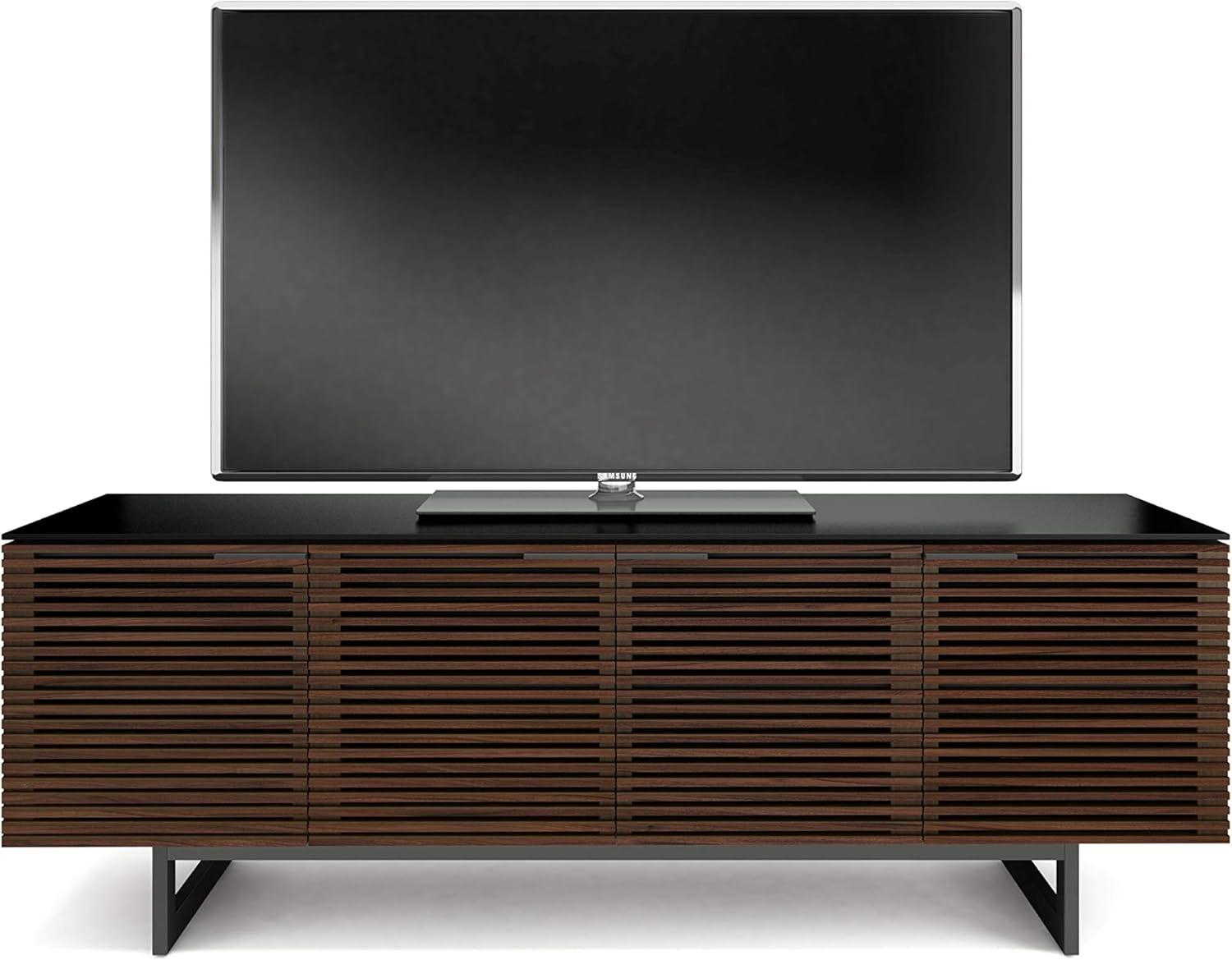
You notice how afternoon light picks out the chocolate-stained walnut and makes the louvered front throw narrow bands of shadow across your rug. Up close the finish is warm under your hand, the grain clear but subdued, and the piece reads heavy and horizontal the moment you step into the room.BDI’s Corridor 8179 sits low beneath your screen, the slatted doors offering a quiet friction when you slide them and a shallow ledge above that catches a slim soundbar without fuss. It settles into the living space more like furniture than electronics—tactile, steady, and quietly present.
Seeing it in your living room your first look at scale and presence
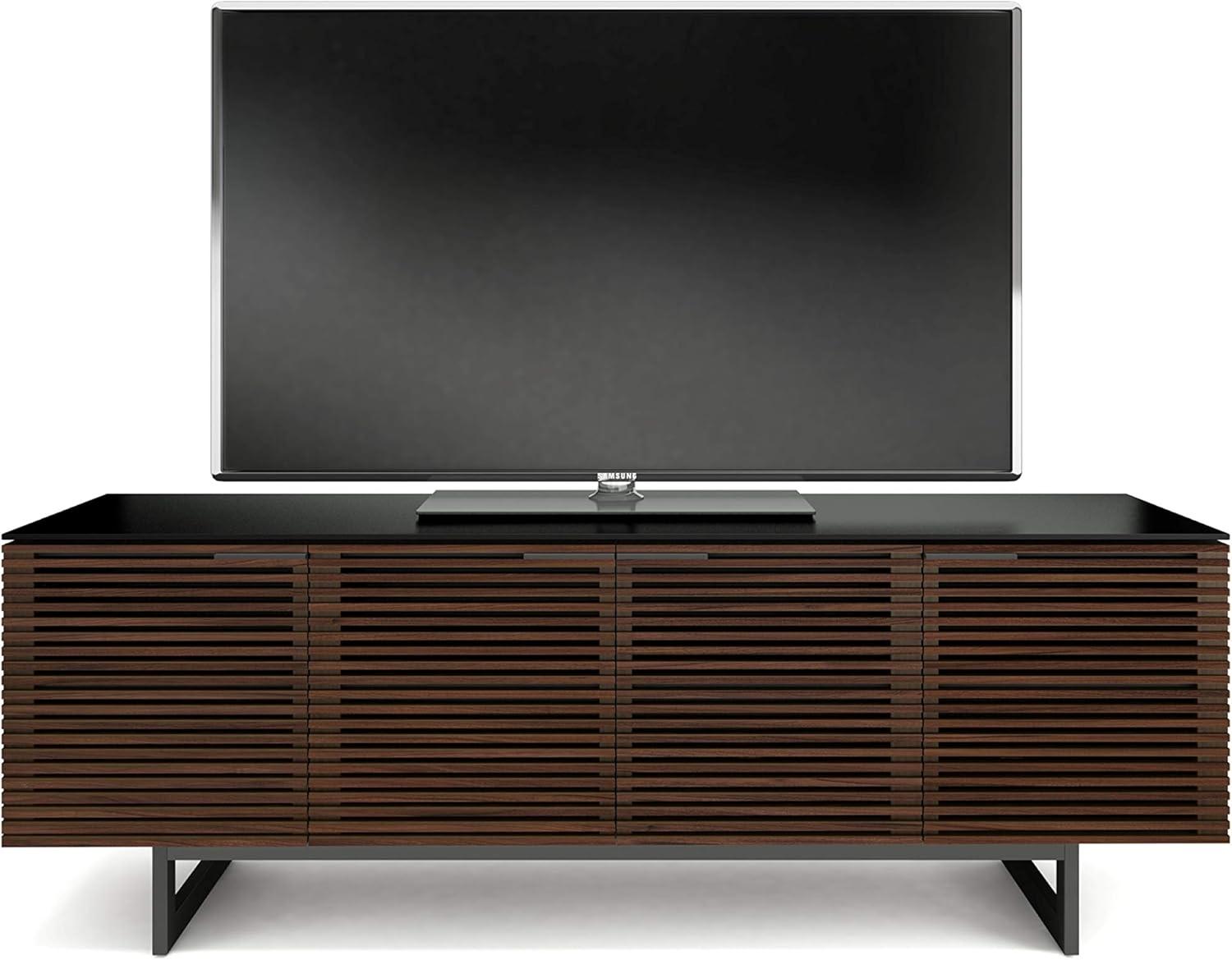
Placed in a typical living room, the unit reads immediately as a horizontal anchor that organizes the wall. Its low profile and continuous top line create a shelf-like interruption between screen and seating, and the louvered face catches changes in light so the surface can look warmer or more muted depending on time of day. From common viewing positions the piece often recedes behind a screen, but in quieter arrangements it becomes a visible stage — people naturally shift cushions, glance toward the top surface, or set down items along that uninterrupted ledge. Small practical details show up in use: ventilation openings or access panels become the points where cords and components nudge into view, and the doors’ slatted texture breaks up reflections in ways that are noticeable without being loud.
Observable effects on room balance include:
- Visual anchor: ties the media wall together and defines a horizontal baseline for surrounding decor
- Perceived mass: can feel significant from across the room, especially when left uncovered by other furnishings
- Interaction footprint: everyday movements — leaning forward, reaching for remotes, or placing a drink — happen within the stand’s immediate zone
| Living room arrangement | Perceived effect |
|---|---|
| Centered on main wall | Creates a balanced horizontal line that anchors seating |
| Placed with low-profile sofa | Appears more prominent, filling visual space above the back of the couch |
| in a bright room | Louver texture and finish become more apparent and modulate glare |
Full specifications and configuration details are available here: full specifications and configuration details.
Warm walnut and slatted doors how the materials and finish read up close
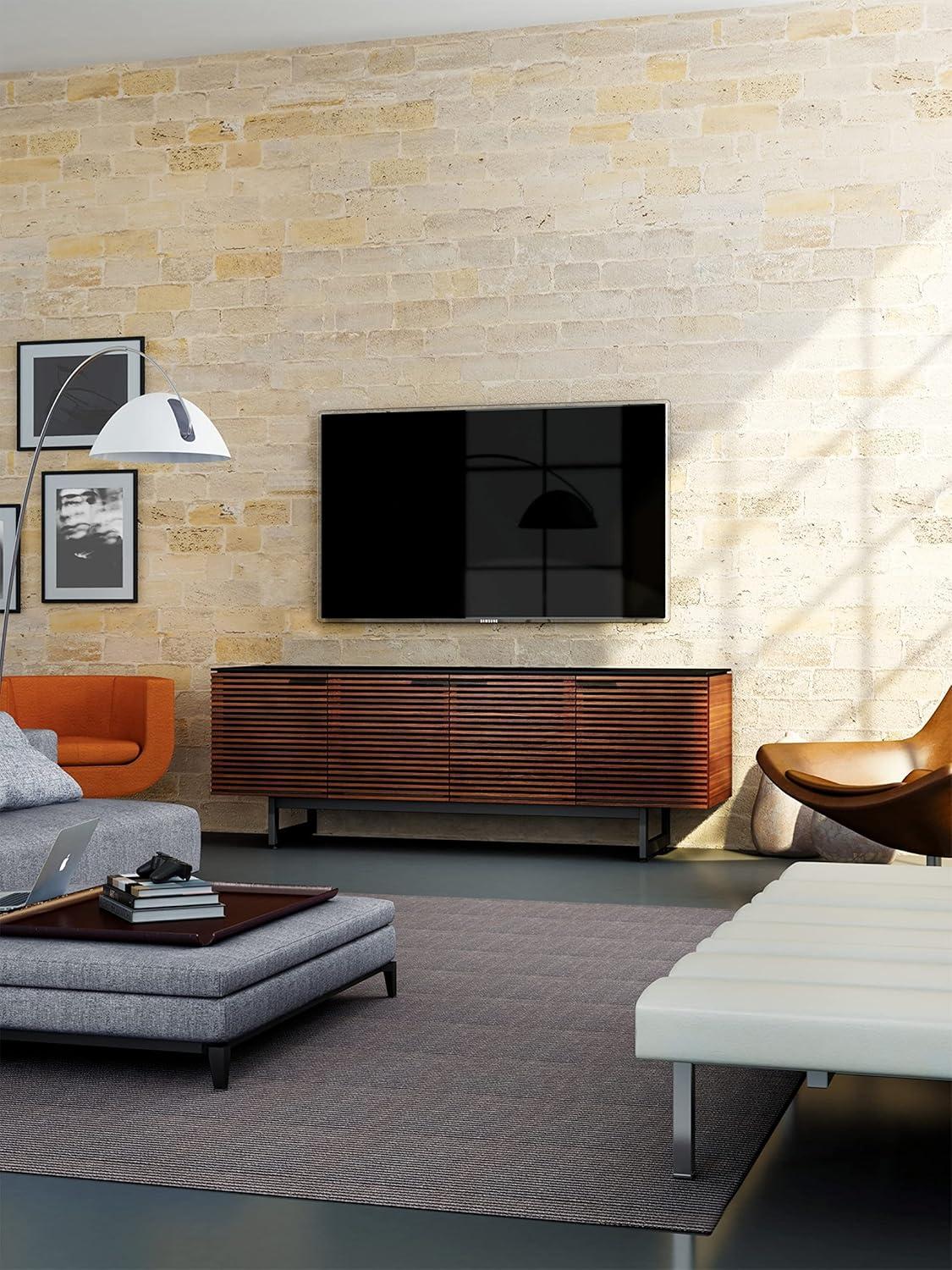
The chocolate-stained walnut reads as layered rather than flat when you stand close: light pulls out warm brown and occasional reddish undertones depending on the angle,and the grain shows varied streaks that break the surface into bands. The louvered faces throw tiny shadows across those bands, so from a few feet away the doors look uniform but up close the slats create a subtle rhythm of light and dark. A restrained, low satin sheen keeps the wood from looking glossy; under direct light you can see how the finish evens out minor density changes in the veneer without wholly masking them.
Touching the piece reveals small practical details that a quick glance misses. The finish feels smooth across the top panels but the edges of each louver have a faintly sharper edge where dust and fingerprints are more likely to collect; when you run your hand along a slat the texture is slightly more pronounced. Below are a few close-up observations that tend to matter during daily use:
- Grain: visible, with natural variation across panels
- Sheen: low satin that softens reflections
- Texture: smooth on flat surfaces, subtly ridged at slat edges
| Feature | Close-up note |
|---|---|
| Color tone | Warm chocolate with occasional reddish highlights under certain lighting |
| Louver spacing | fine gaps create shadow lines and narrow ledges where dust can settle |
| Joinery | Tight seams with a faint hairline shadow at panel meets |
where it will sit and what actually fits inside shelves, drawer and TV clearance
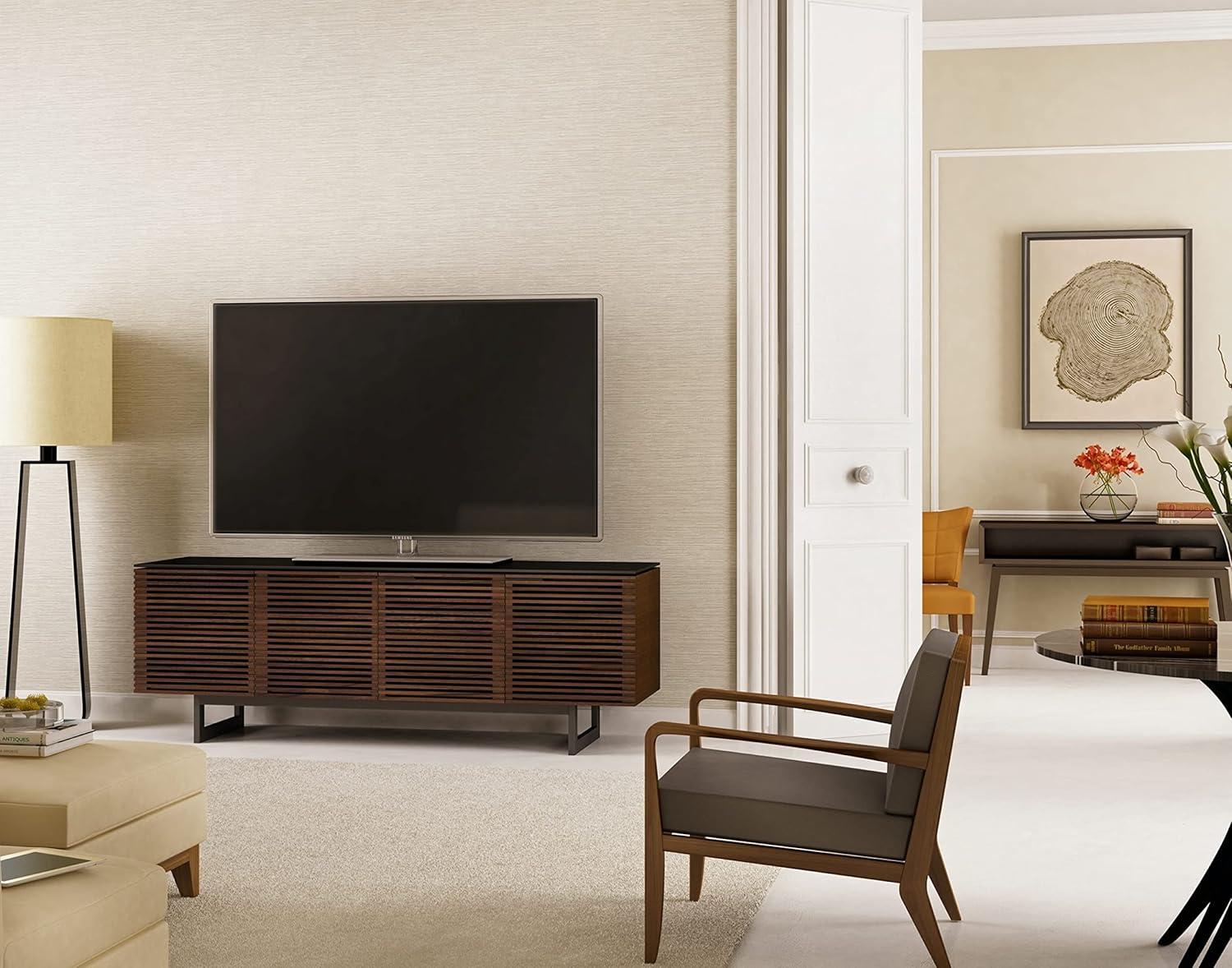
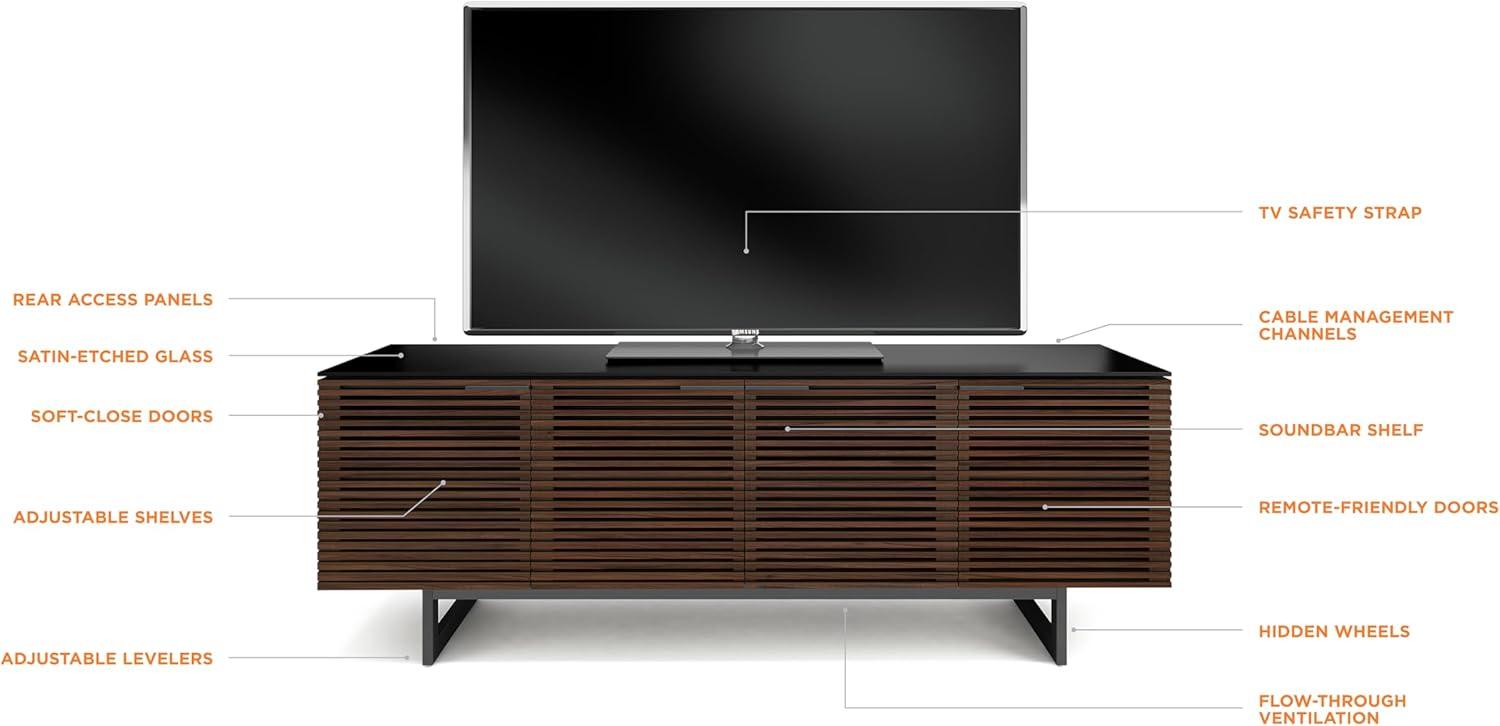
You’ll usually tuck this piece flush against a wall so the removable rear panels and integrated routing channels line up with your outlet and cable runs; in everyday use that means you’ll be sliding cords through the back and then nudging the unit an inch or two to hide everything. The top surface sits high enough for a large screen with a separate shelf beneath for a soundbar, leaving a visible gap between the screen and the shelf edge that tends to accommodate low-profile bars and slim speakers. Behind the louvered doors the shelves are shallow enough that taller floor-standing components have to lie flat or be placed elsewhere, while the ventilation slots and removable panels make it easy to reach plugs without moving the whole stand every time you swap a device.
Internally, the layout handles a predictable mix of boxes, controllers and modest media collections. Typical arrangements that fit comfortably include:
- Upper shelf: slim soundbars or a horizontally oriented console
- Middle compartments: streaming boxes, game consoles (laid flat), and cable/satellite receivers
- Drawer: remote controls, spare cables, discs and small accessories
| Device | Where it usually goes | Practical note |
|---|---|---|
| Soundbar | Dedicated lower shelf | Fits most low-profile bars; taller models may sit slightly proud |
| Game console | Middle shelf or behind doors | Often laid flat to clear shelf height |
| Streaming stick/Box | Middle compartment | Rear access panels simplify hookups |
| Remotes & accessories | Storage drawer | Drawer keeps small items close at hand |
Watching from the sofa viewing height, soundbar placement and remote reach
From the sofa, the cabinet places the screen where your eye line usually meets the middle third of the display, so you’ll find yourself looking straight ahead more frequently enough than craning upward. If you do tilt back or sink into deeper cushions, a slight head tilt is the most common adjustment; you might also nudge a cushion or scoot forward for a clearer view.Small, everyday habits show up here: resting an elbow on the arm and angling your head, shifting a pillow under your lumbar to raise your sightline, or angling the TV a degree or two if you want a flatter viewing plane. These little corrections tend to be enough to keep the image cozy without major furniture rearrangement.
- Eye line — usually aligns near the center-to-lower third of the screen when seated upright.
- Head tilt — small,occasional adjustments rather than constant repositioning.
- Cushion shift — a quick way to regain the preferred viewing angle.
The soundbar sitting on the shelf below the screen sits close to your listening zone, so its output generally projects forward unobstructed when the doors are open or when the bar is positioned just ahead of the cabinet face. With the louvered doors closed, infrared signals still pass through the slats in most normal sitting positions, though you may find yourself angling the remote more deliberately toward the door lines or pausing a beat for commands to register. Expect occasional,small adjustments — standing up to point the remote straight at a component or opening a door when switching inputs — rather than a steady habit.
| Where you point the remote | Typical response |
|---|---|
| Direct at the middle of the louvers | Generally responsive through the slats |
| Oblique angle from the sofa arm | May require a second press or slight repositioning |
| With doors open and aimed at the component | Immediate, direct control |
How it lines up with your expectations, the kinds of spaces it suits, and the limitations you may encounter
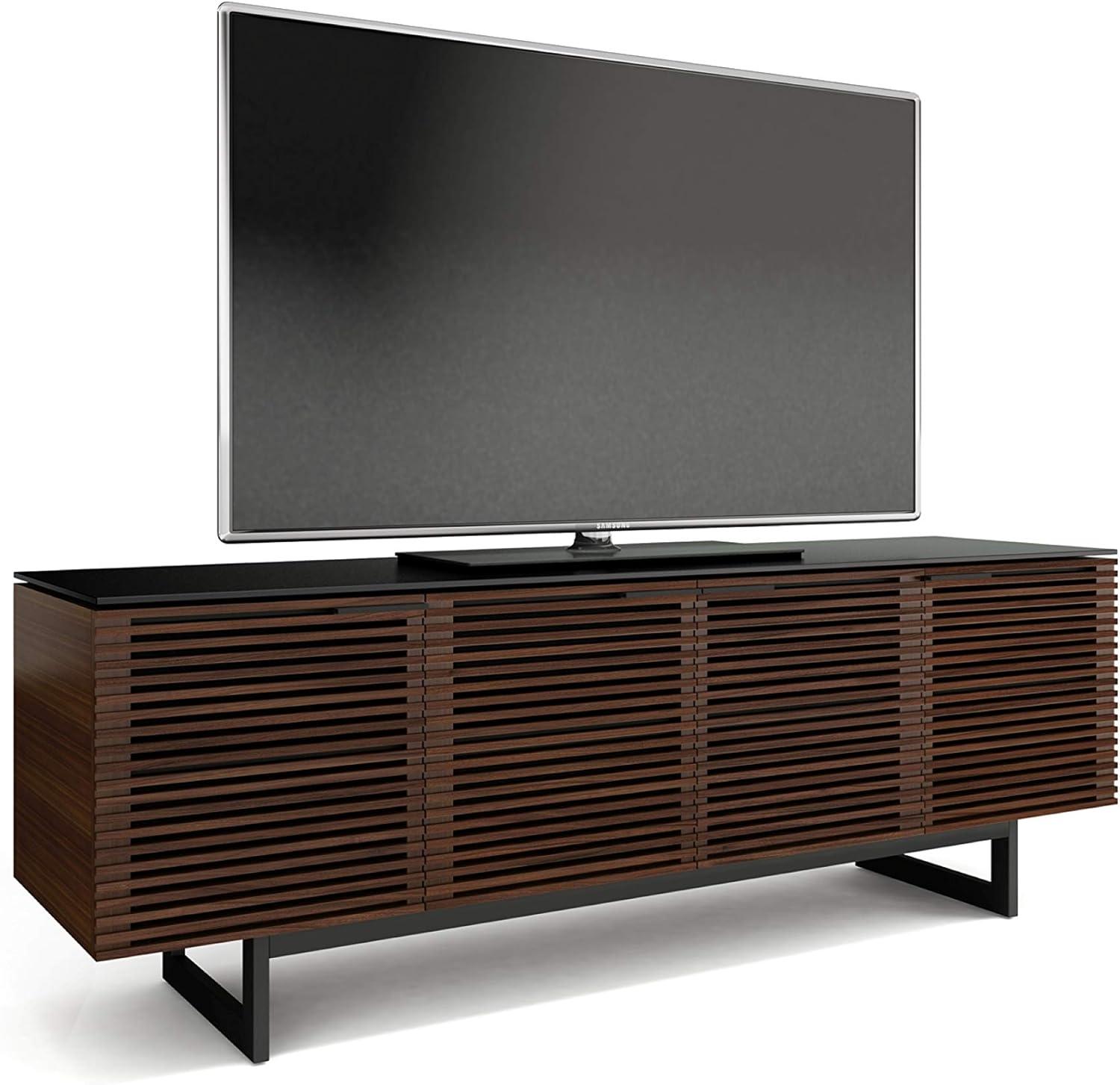
When seen in everyday use,the piece tends to read as a composed,furniture-forward element rather than a purely equipment shelf. Its louvered face keeps components visually tucked away while still allowing normal remote control use; the routing and rear access features reduce the number of “reach-ins” and cable jams that often interrupt a viewing routine. Ventilation slots mean sources can run for longer sessions without the occasional shuffling of components to chase heat, and the need to anchor larger units is a recurring part of living-room setup rather than an added surprise. At the same time, the stand’s visual weight and finish can make it feel like a committed placement—moving it or swapping room orientation is something that tends to involve two people and a little planning, not an impromptu shuffle.
- Open-plan living rooms: often absorb the piece’s horizontal presence well; it blends with low-slung seating and leaves sightlines intact.
- Dedicated media or entertainment areas: benefit from the ventilation and access pattern, with fewer interruptions for cable juggling during long sessions.
- Tighter or multi-use rooms: may require attention to clearance and cable routing so the unit doesn’t dominate circulation paths or shelf space for other items.
| Space type | Typical setup note |
|---|---|
| Wide living room | Center placement with hidden cables and uninterrupted IR control |
| Media alcove | Allows stacked components with steady airflow |
| Narrow hallway or entry | May feel visually heavy and limit side access |
For complete specifications and configuration details,see the full listing here: Product details and specifications.
Daily use details cable routing, louver doors in action and how the drawer behaves
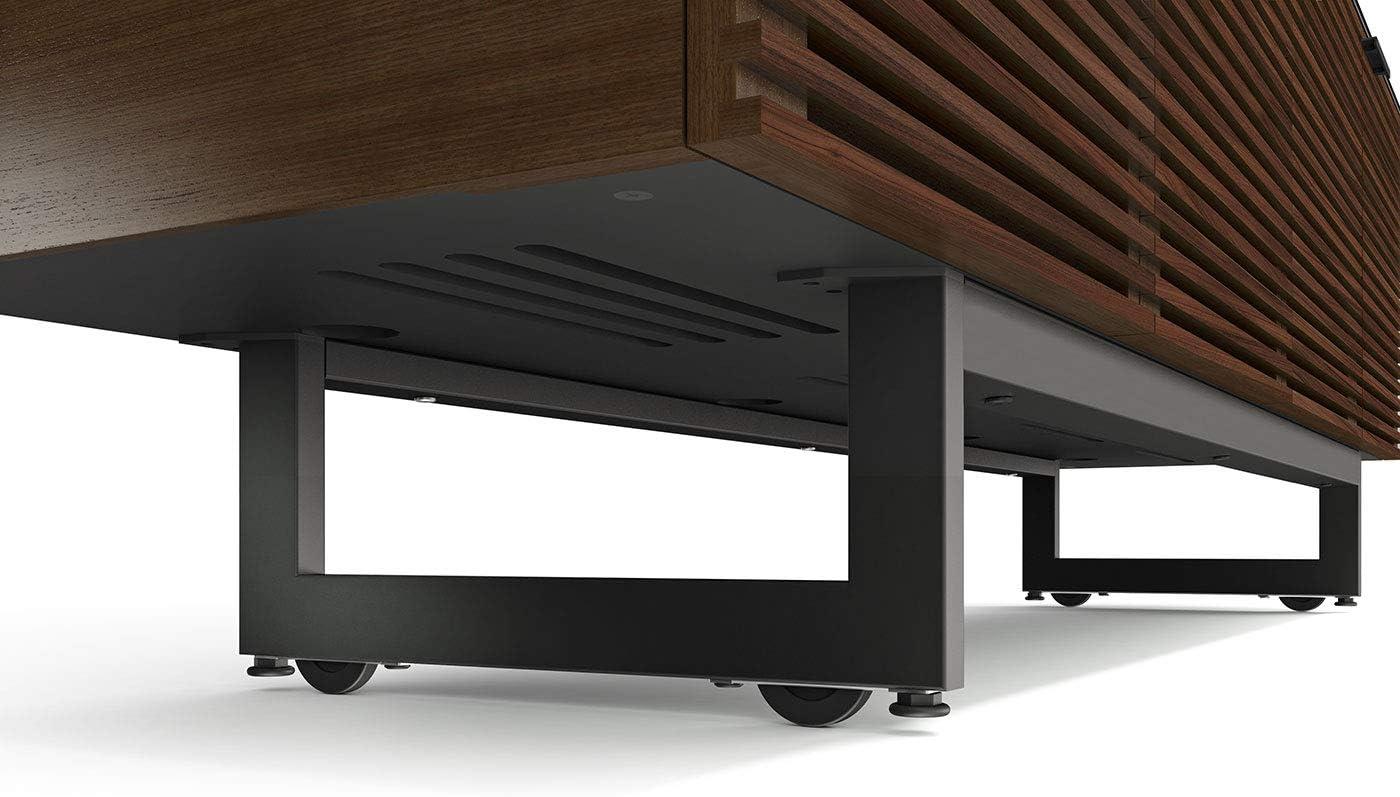
Cable routing: in day-to-day use you tend to set the power strip and most adapters toward the back and feed each cord through the nearest access opening, then tuck them into the integrated channels so they run flat against the rear panel.Small adjustments happen more frequently enough than you expect — adding a streaming stick or swapping a game console means you’ll reach behind and nudge a few leads into place, and thicker power bricks can require you to rotate or tighten a cable tie to keep things neat. If you use a surge protector, it usually sits across the bottom shelf; you’ll see a short run of cables bundled together rather than individually threaded, and the removable rear panels let you pull everything out a little when you need to reconnect or trace a loose lead.
- Access points you’ll touch most: rear panel openings, the low channel under the center shelf, and the small cutouts where components sit.
- Everyday habit: loosening a tie, moving a plug a few inches, and then re-tucking — it’s part of routine maintenance.
Louver doors open and close in ordinary use without demanding extra clearance; the slatted face permits infrared signals to get through when the doors are shut,so you don’t have to fling them open every time the remote’s in your hand,though response can feel a touch less immediate than with the door open. The doors don’t slam, but if there’s slack in the items behind them they can emit a soft shuffle as you close them — worth a quick glance if you hear a rattle. The storage drawer slides out smoothly on its runners and generally returns without sticking; heavier loads slow the motion and can make the front edge sit a hair lower when fully extended, which leads you to use two hands more often when reaching into it. Small, repetitive motions — tugging a cable, angling a remote for a clearer signal, or nudging the drawer flush — are part of everyday interaction and become almost automatic after a week or two of rearranging devices.
How the Set Settles Into the Room
You notice, over time and in daily routines, how the chocolate-stained walnut surface softens in the room’s light and the piece moves from newness into familiar use. The BDI Furniture Corridor 8179-79.25” TV Stand fits into a corner of activity,its doors and drawer learning the rhythms of comings and goings and the ways the space is used for comfort. Small marks and quiet scuffs appear like notes in regular household rhythms, and those signs simply live alongside the objects and habits already here. Over time it becomes part of the room.